How to Choose a Marriage Coach: 7 Steps
Last Updated: October 23, 2026
Quick Summary
To choose a marriage coach, identify your specific relationship struggles and goals, verify the coach's formal training and experience with your situation, assess whether their specialization and approach match your values, and have a consultation to evaluate fit. The right coach understands your needs, respects your beliefs, and teaches concrete skills for lasting change.
Verify formal coach certification training, not just weekend workshops or self-study
Ask about specific experience with your exact issue, like infidelity recovery or intimacy rebuilding
Ensure the coach's faith framework or secular approach aligns with your values
Use the free initial consultation to assess whether they listen well and understand your situation
Red flags include promises of quick fixes, blaming one partner, or unwillingness to discuss credentials
Table of Contents
Why Choosing the Right Marriage Coach Matters
Marriage Coach vs Couples Therapist: Understanding the Difference
Step 1: Identify Your Couple's Needs and Relationship Goals
Step 2: Verify Credentials, Training, and Professional Experience
Step 3: Assess Specialization and Coaching Approach
Questions to Ask a Marriage Coach Before You Commit
Signs of a Good Marriage Coach: Red Flags and Green Lights
What to Expect From Marriage Coaching Sessions
Frequently Asked Questions
Why Choosing the Right Marriage Coach Matters
When your marriage feels stuck, knowing how to choose a marriage coach makes all the difference. A good marriage coach can help you move from conflict and disconnection toward genuine intimacy and understanding.
Choosing a marriage coach is one of the most important decisions you'll make for your relationship. The wrong fit wastes time and money. The right coach understands your specific struggles, respects your values, and has the tools to help you both change.

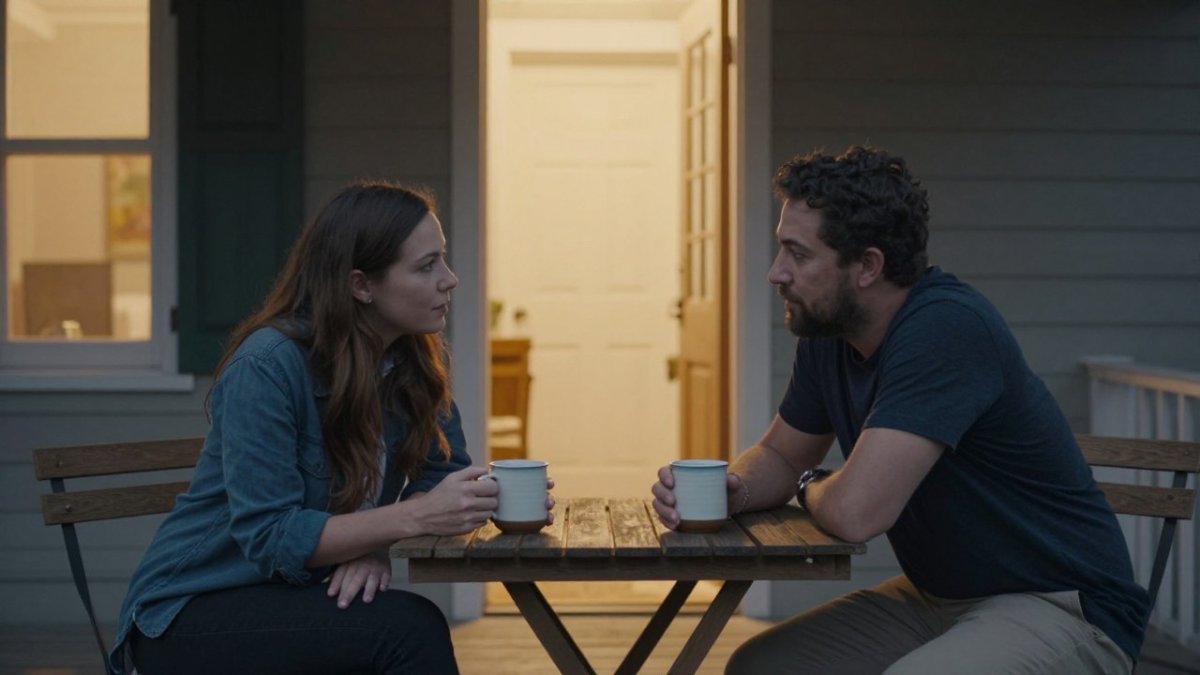
A skilled marriage coach provides tools, understanding, and support to help couples move forward together.
Key Takeaway The right marriage coach is not just someone who listens well. They're someone who understands your values, has real experience with couples like you, and can teach you concrete skills that create lasting change.
Marriage Coach vs Couples Therapist: Understanding the Difference
A marriage coach is different from a couples therapist. Both can help, but they work in different ways. Understanding the difference helps you choose what's right for your situation.
A couples therapist typically holds a license like LMFT (Licensed Marriage and Family Therapist) or similar credential. Therapists are trained to diagnose and treat mental health conditions. They work from a medical model.
A marriage coach works without a therapy license. Coaches focus on teaching skills, building awareness, and creating change in how couples interact. Coaching is action-oriented and goal-focused. You work together on specific outcomes: better communication, deeper intimacy, or resolving a particular conflict pattern.
Watch Out If either partner has untreated mental health conditions, active addiction, or a history of abuse, couples therapy with a licensed professional is necessary. A coach cannot replace clinical care when safety or diagnosis is involved.
Many couples benefit from both. Some start with coaching to build skills and connection, then add therapy if deeper clinical work becomes clear. Others do therapy first to address individual mental health, then move to coaching for relational growth. Some couples also find that Individual Wholeness Coaching helps one or both partners work through personal patterns that affect the marriage, things like emotional regulation, self-awareness, or unresolved wounds that show up in the relationship.
The key question: Do you need diagnosis and clinical treatment, or do you need skills and relational guidance? Your answer shapes which professional is the right fit.
Step 1: Identify Your Couple's Needs and Relationship Goals
Before you choose a marriage coach, get clear on what you actually need. Vague goals lead to poor fits. Specific goals help you find someone equipped to help.
Start by naming your biggest struggle. Is it:
Recurring conflict that never gets resolved
Emotional distance and disconnection
Broken trust from betrayal or infidelity
Loss of physical intimacy and desire
Communication breakdowns
Different values or life goals
A specific crisis you're trying to navigate
Write it down. Be honest about what hurts most.
Next, define what success looks like. Not someday. Specifically. In three to six months of coaching, what would be different?
You'd argue less and resolve conflicts faster
You'd feel emotionally close again
You'd have honest conversations about hard topics
You'd want physical intimacy again
You'd trust each other more
You'd feel like a real team
Couples who clarify their goals before choosing a coach are far more likely to stay committed and see results. Vague hopes fade when coaching gets hard. Specific outcomes keep you moving forward.
Pro Tip Write your goals down and bring them to the initial consultation. A good coach will ask about them and help you refine them further. They'll also tell you whether coaching is the right fit for your specific situation.
Step 2: Verify Credentials, Training, and Professional Experience
This is where many couples make mistakes. They assume any coach with a website is qualified. Not true.
Ask these specific questions:
What formal training have you completed? A real coach has completed a coach certification program. This is not the same as reading books or going to a weekend workshop. Look for training from established coaching organizations. Ask for details about the program, how long it took, and what it covered.
How long have you been coaching? Experience matters.
What's your specific experience with the issues we're facing? If you're dealing with infidelity, you need a coach who has worked with couples rebuilding trust after betrayal.
Do you have any professional credentials or licenses? Some coaches hold licenses like LMFT or LCSW. Others don't but have completed rigorous coach training. Both can be legitimate. What matters is knowing what you're getting.
What's your approach to coaching? This is crucial. Do they use a specific framework or method? Can they explain it clearly? A coach who can't articulate their approach is a red flag.
Have you worked with couples in situations like ours? Listen for specificity. "Yes, I've worked with couples" is different from "I've worked with couples rebuilding intimacy after betrayal" or "I specialize in helping Christian couples navigate conflict within a covenant framework."
Ask for testimonials from past clients. A reputable coach will have them.
Step 3: Assess Specialization and Coaching Approach
Not all marriage coaches are the same. Some specialize in crisis intervention. Others focus on deepening already-solid marriages. Some work from a secular framework.
Your values and situation should match the coach's specialization.
Do they understand your faith tradition? If faith is central to your marriage, find a coach who gets that.
What's their coaching philosophy? Do they believe marriage is fixable? Do they see conflict as normal and workable?
Do they offer individual coaching, couples coaching, or both? Sometimes one partner needs individual work on their own patterns before couples work is effective. A coach who offers both, including Marriage Counseling and individual support, has more flexibility to meet you where you are.
What's the format? In-person, video call, hybrid? Some couples need the intimacy of sitting in the same room. Others prefer video for convenience or comfort.
How long are sessions and how often do you meet? Typical coaching is 60 minutes every week or every other week. Some coaches offer intensive formats.
A good fit on specialization and approach means you're not fighting the coach's framework. You're working with it.
Questions to Ask a Marriage Coach Before You Commit
Before you hire a coach, have a real conversation. Most coaches offer a free initial consultation. Use it.
Ask these questions:
"How would you help us with [your specific issue]?" Listen for a real answer. Not a generic response about communication or connection. A specific plan for your situation.
"What would success look like for us in three months?" A good coach can paint a picture. They can describe what would be different in how you interact, how you feel, what you're able to do together.
"What's your track record with couples like us?" Ask for specifics. What kinds of results do they typically see?
"How do you handle it when one partner is more committed than the other?" This is real.
"What's confidential and what's not?" Understand the privacy boundaries. What happens if one partner shares something in an individual session?
"What's your availability for emergencies or crises?" If you hit a rough patch mid-week, can you reach the coach?
"How do you measure progress?" A good coach tracks progress.
Take notes during the consultation. Notice how the coach makes you feel. Do they listen well? Do they seem to understand?
Signs of a Good Marriage Coach: Red Flags and Green Lights
Green lights, signs of a good fit:
They ask questions about your specific situation before offering solutions
They're honest about what coaching can and cannot do
They have clear experience with couples in your situation
They can articulate their approach and explain why it works
They respect your values and beliefs
They ask about both partners' goals and concerns
They set clear expectations about sessions, cost, and timeline
They follow professional boundaries
They're willing to refer you to a therapist if clinical care is needed
You feel heard and understood
Red flags, signs to look elsewhere:
They promise quick fixes or guaranteed results
They blame one partner for the marriage problems
They push you to make major decisions immediately
They're evasive about their training or credentials
They seem more interested in talking about themselves than learning about you
They minimize your concerns or dismiss your feelings
They have no experience with your specific situation
They're unwilling to discuss their approach or philosophy
They don't respect your faith or values
You feel judged or uncomfortable being honest
Trust your gut. If something feels off, it probably is. There are good coaches out there. You don't have to settle for a poor fit.
Watch Out Be cautious of any coach who suggests you should leave your marriage, who takes sides between partners, or who claims to have a "cure" for marriage problems. Real coaches help you both grow and decide together what's best for your relationship.
What to Expect From Marriage Coaching Sessions
Understanding what happens in coaching helps you prepare and get the most from it.
First session: The coach learns your story. They'll ask about your history, your current struggles, and what brought you in.
Ongoing sessions: You'll typically meet weekly or every other week for 60 minutes.
What you'll work on: Real conversations about your patterns. How you fight. How you disconnect.
Your role: Be honest. Show up on time. Do the homework. Stay engaged even when it's hard.
Results timeline: Real change takes time. Most couples see shifts in three to six months. Deeper transformation takes longer.
Choosing a marriage coach is choosing to invest in your relationship.
At The Wholeness Method, we work with couples ready to move from surviving to thriving.
Ready to explore whether coaching is right for your marriage? Request a free consultation and let's talk about your specific situation.
Frequently Asked Questions
What is the difference between a marriage coach and a couples therapist?
A marriage coach focuses on teaching skills, building accountability, and moving couples toward specific relationship goals, often using action-oriented methods rooted in research and biblical principles. A couples therapist diagnoses and treats mental health conditions, trauma, and clinical issues. Coaches work with couples who are motivated to improve; therapists are trained to handle deeper psychological wounds or disorders. Some couples benefit from therapy first, then coaching for ongoing growth.
What should you look for in a marriage coach?
Look for a coach with specialized training in couples work, verifiable credentials, and experience with your specific challenges (conflict, disconnection, intimacy). A good marriage coach should have a clear, research-informed approach, professional boundaries, and the ability to create safety for both partners. They should ask thoughtful questions about your goals, listen actively, and help you develop concrete skills. Trust your instinct about whether you feel heard and respected.
Can marriage coaching help when one spouse is unsure about participating?
Yes, but it requires honesty and willingness from both partners. A skilled coach can work with resistance by creating psychological safety, explaining the process clearly, and addressing the skeptical partner's concerns directly. Many couples start with one partner more committed than the other, and coaching can help both move toward shared goals. However, if one partner refuses to participate at all, individual coaching or therapy for the willing partner may be a better starting point.
How do you know if marriage coaching is right for your relationship?
Marriage coaching works best when both partners want to improve the relationship, are willing to learn new skills, and can commit to the process. It's ideal for couples facing recurring conflict, emotional distance, or intimacy struggles who haven't found answers elsewhere. If you're in acute crisis, experiencing abuse, or dealing with untreated mental health or addiction issues, therapy or professional crisis support should come first. A good coach will be honest about whether coaching is the right fit for your situation.
Want a Free Consultation with Jacob??
Add thewholenessmethod.com as a preferred source on Google →


Comments